The Importance of Light

The Importance of Light in Photography

An Introduction to Light in Photography

Light is the foundation of photography, and understanding how to use it can dramatically improve your images. The word “photography” itself means “drawing with light,” and every photograph you take is essentially a record of light reflected off subjects. Whether you’re shooting with natural or artificial light, mastering this element will enable you to control mood, highlight subjects, and tell a compelling story with your images

Why Light is Important in Photography

  • Creates Depth and Dimension: Without light, an image looks flat and lacks depth. Light reveals textures, creates shadows, and adds three-dimensionality to your subjects.
  • Shapes the Mood: Bright, diffused light can create a cheerful and open atmosphere, while dim or directional light can add drama and intensity.
  • Guides the Viewer’s Eye: The interplay of light and shadow can emphasize certain areas in your frame, directing the viewer’s focus toward the main subject.
  • Defines Your Subject: Good lighting makes your subject pop, while poor lighting can make it blend into the background or appear unclear.

Types of Lighting in Photography

  • Natural Light:
    • Sunlight is the most common source of natural light. Its quality changes throughout the day, offering different effects.
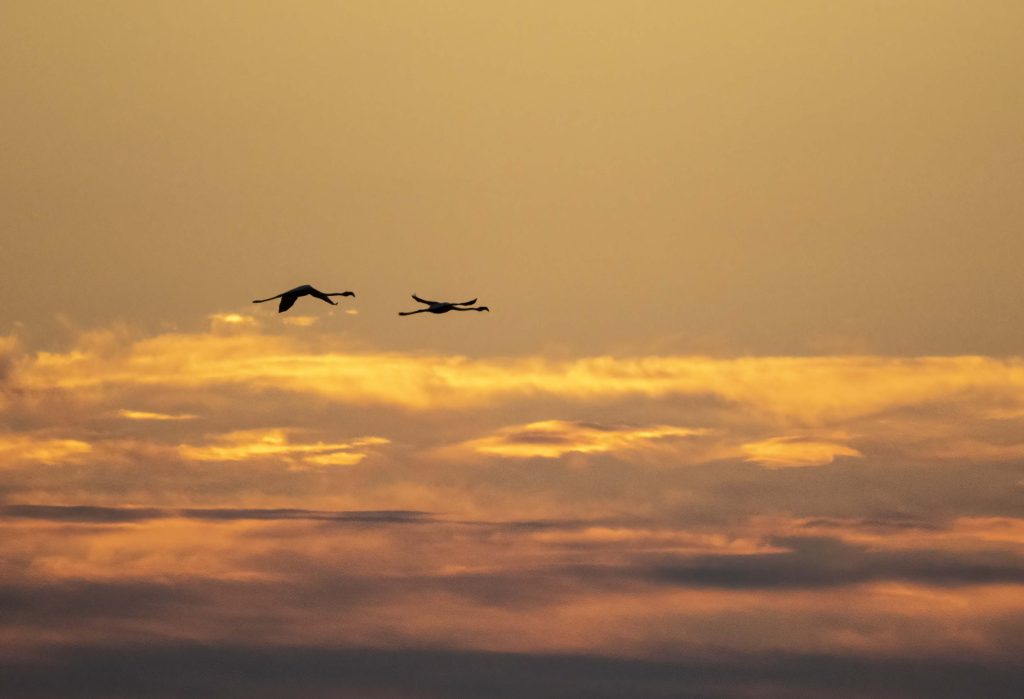
    • Golden Hour: The first hour after sunrise and the last hour before sunset when the light is soft, warm, and diffused. It’s great for portraiture and landscapes.
    • Blue Hour: The twilight period just before sunrise or after sunset, where the light takes on cooler tones, perfect for moody, tranquil shots.
    • Midday Light: Harsh, direct sunlight can create hard shadows and overexpose parts of your image. This time of day can be tricky but effective when used intentionally.
  • Artificial Light:
    • Studio Lighting: Softboxes, umbrellas, and LED lights can help you control light and shadow in a studio setting.
    • Household Lighting: Regular lamps, overhead lights, and other sources can be used creatively, though they require more adjustments due to colour temperature variations.

The Quality of Light

  • Hard Light:
    • Produces strong, defined shadows and high contrast.
    • Great for creating drama, tension, or strong visual impact.
    • Often used in street photography, or when you want to emphasize texture.
  • Soft Light:
    • Creates soft shadows with gradual transitions between light and dark areas.
    • Best for portraiture and natural-looking images.
    • Soft light can be found in shaded areas, overcast conditions, or when using a diffuser like a softbox in a studio.

The Direction of Light

  • Front Lighting:
    • Light hits your subject directly from the front.
    • This reduces shadows but can flatten out textures. It’s ideal for evenly lit portraits, but it can also make your subject appear two-dimensional.
  • Side Lighting:
    • Light comes from one side of the subject, creating depth by casting shadows on the opposite side.
    • Often used in portraits and landscapes to add texture and drama.
  • Backlighting:
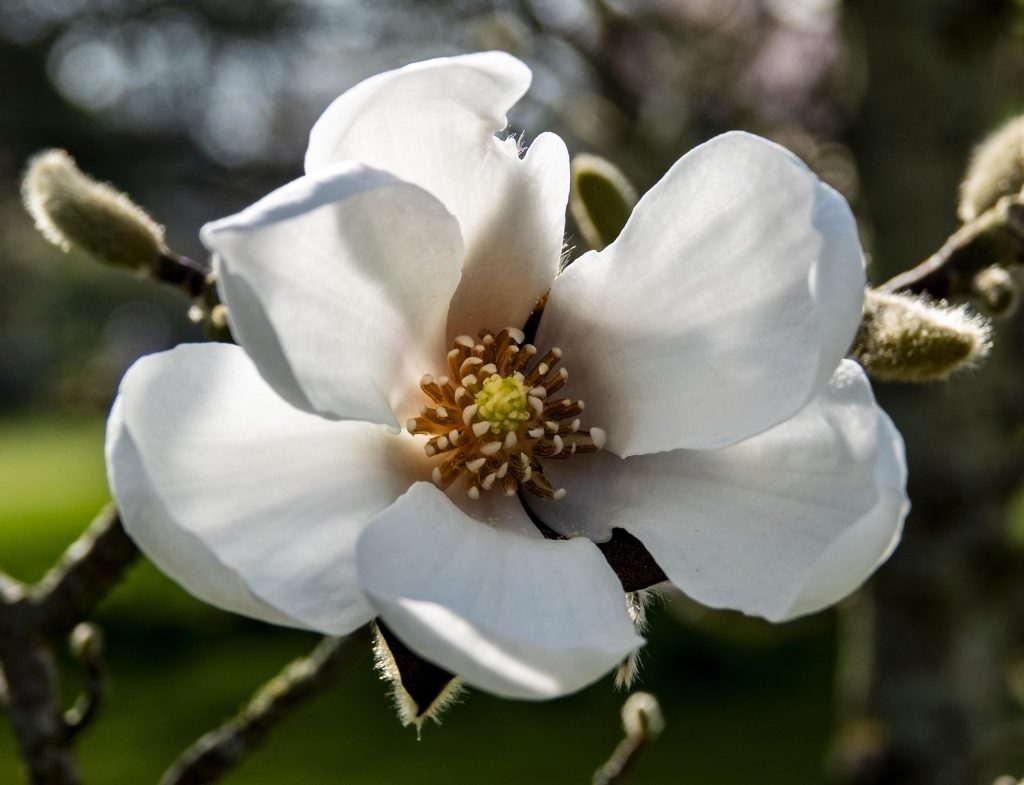
    • Light comes from behind the subject, which can create a silhouette or halo effect around the subject.
    • Great for creating dramatic and artistic photos, but it requires careful exposure control.
  • Top Lighting:
    • Light shines down from above, casting shadows directly beneath objects or people.
    • Can be unflattering in portrait photography as it may create harsh shadows under the eyes and nose. Used more effectively in product photography or for moody images.

The Colour of Light

Light has different colour temperatures, which can affect the tone of your photograph.

  • Warm Light:
    • Orange and yellow tones (often from sunrise, sunset, or tungsten bulbs).
    • Can create a cozy, intimate feeling.
  • Cool Light:
    • Blue tones (from overcast skies, shade, or fluorescent lighting).
    • Can convey a calm, sterile, or even moody atmosphere.
  • White Balance:
    • Cameras have a setting called white balance that helps you adjust for different types of light so that the colours in your image appear natural.

Adjusting white balance can fix colour casts caused by different light sources (e.g., tungsten light can make an image too warm).

Exposure and Light Control

To make the best use of light in photography, you need to control how much of it enters your camera. This is done through three main settings:

  • Aperture (f-stop):
    • Controls the amount of light coming through the lens.
    • A larger aperture (low f-stop number) lets in more light and creates a shallow depth of field, which is great for isolating subjects.
    • A smaller aperture (high f-stop number) lets in less light but increases the depth of field, making it ideal for landscapes.
  • Shutter Speed:
    • The amount of time the camera’s sensor is exposed to light.
    • A fast shutter speed freezes motion but lets in less light.
    • A slow shutter speed allows for more light but can result in motion blur unless a tripod is used.
  • ISO:
    • Adjusts the camera sensor’s sensitivity to light.

A low ISO is used in bright conditions, while a higher ISO is helpful in low light but can introduce grain or “noise” to your images

 Tips for Working with Light

  • Observe the Light: Before you take a photo, take a moment to observe how light is falling on your subject. Where are the shadows? Is the light harsh or soft?
  • Use Reflectors and Diffusers:
    • A reflector can bounce light back onto your subject to fill in shadows, creating a more balanced exposure.
    • A diffuser softens harsh light, making it more flattering, especially for portraits.
  • Golden Hour Advantage: Whenever possible, schedule your outdoor shoots during the golden hour for the most flattering natural light.
  • Move Around Your Subject: Changing your position relative to the light source can dramatically alter the way the light interacts with your subject.
  • Practice Metering: Learn how your camera meters light in different situations. You can use spot metering for precise control over your subject’s exposure or evaluative metering for balanced scenes.

Common Mistakes Beginners Make with Light

  • Ignoring Harsh Light: Shooting at midday without considering the harsh shadows can result in unflattering images.
  • Not Watching the Background: When backlighting a subject, the background can become overexposed, or the subject underexposed, if you’re not careful with your settings.

Forgetting to Adjust White Balance: Different types of light sources require adjustments to white balance, or your image may have a colour cast that looks unnatural.

Practice Exercise:

  • Spend time observing the quality and direction of light throughout the day. Take photos during the golden hour, midday, and sunset to see how light changes.
  • Practice shooting in different lighting conditions, such as direct sunlight, shade, and with a household lamp. Experiment with different angles and light sources.
  • Pay attention to your exposure settings (aperture, shutter speed, ISO) and see how they affect your images based on the available light.

If you would like feedback on this exercise – please email me with your pictures and any written explanation you wish to add and make the email ‘Importance of Light Exercise’.

 In Conclusion

 Mastering light in photography is crucial to becoming a better photographer. By learning to recognize, control, and   manipulate light, you’ll create images with more depth, mood, and impact. Start by experimenting with different   types of light in different conditions, and don’t be afraid to make mistakes. The more you practice, the more you’ll   develop an intuitive sense of how to use light creatively and effectively in your photography.

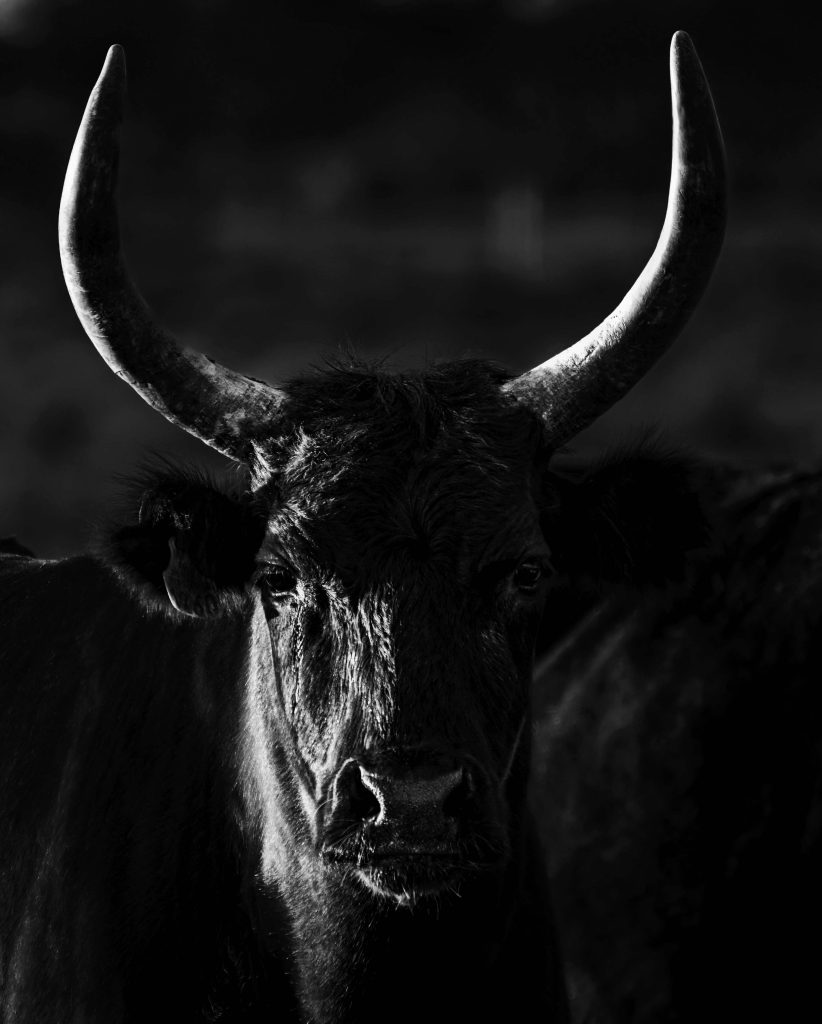
A photograph showing an example of the shadows and highlights. A Black bull
Side lighting - Black bull
A photograph showing an example of the golden hour. Flamingos flying into the dawn
A photograph showing an example of the midday light casting Harsh shadows
Midday light casting harsh shadows
A photograph showing an example of soft even light - Goldcrest in a tree
Goldcrest
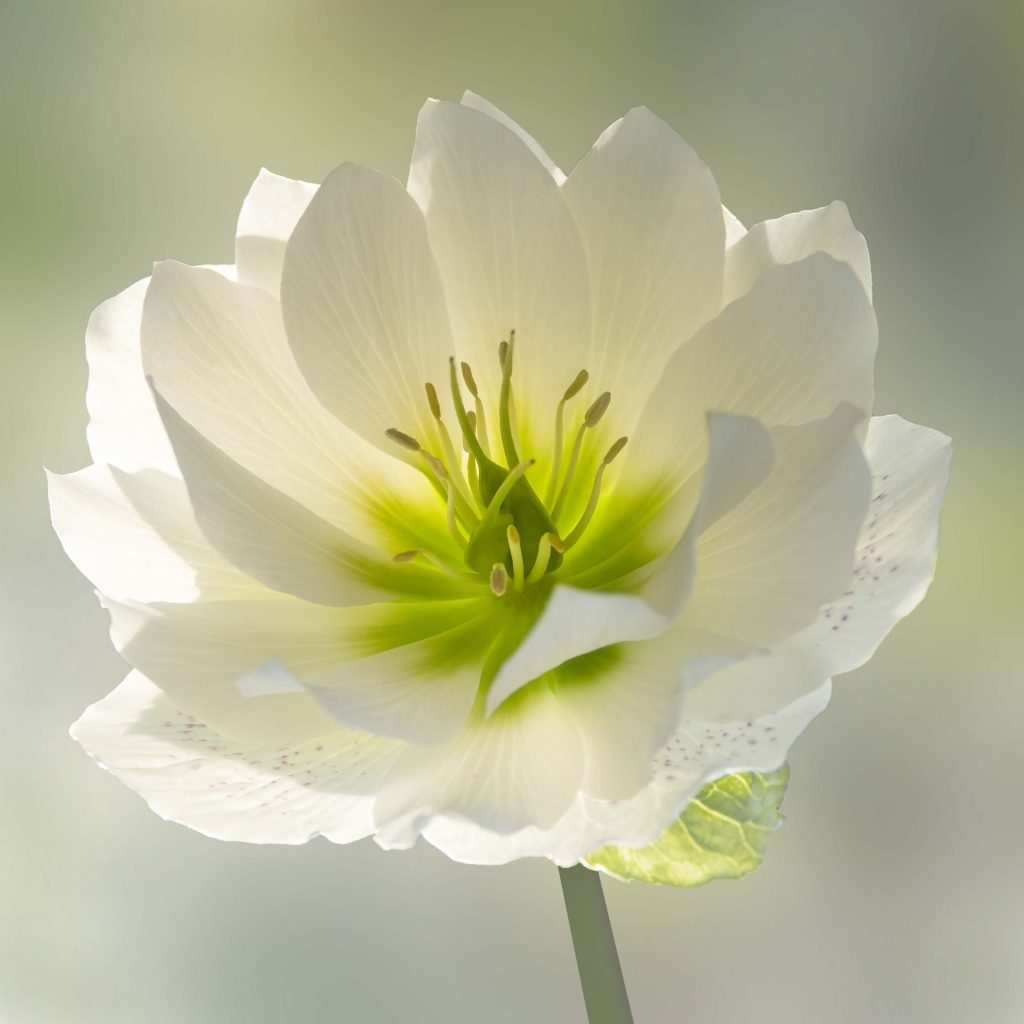
A photograph showing an example back light on a white flowers
Backlit - White flower
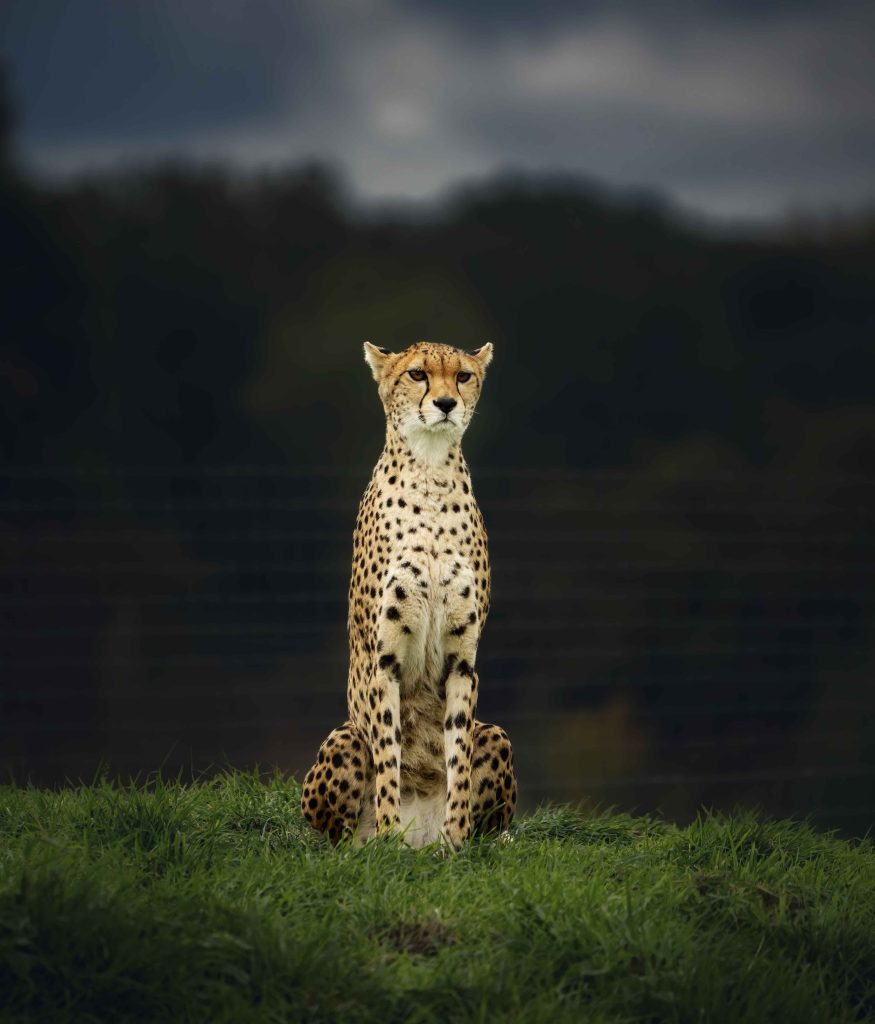
A photograph showing an example of tfill in flash - Cheetah
Zootography

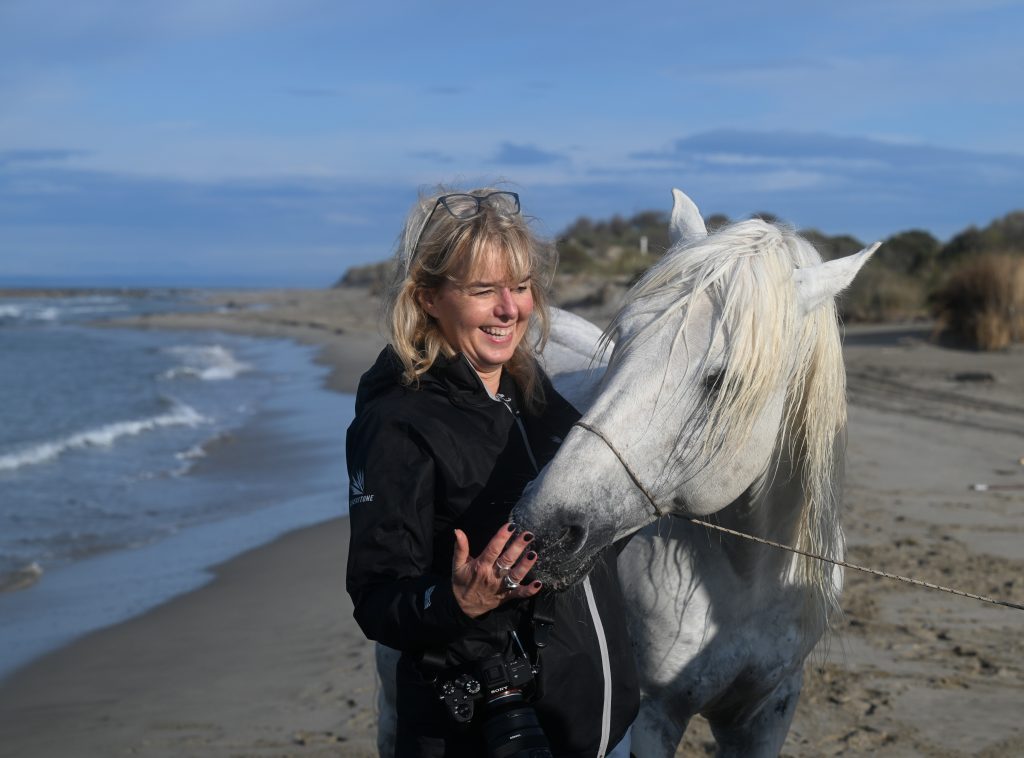
Melanie Sharp is a photographer and zootographer, click on the link to fnd out more [link to about us]. These lessons are offered to our members for free. If you would like a copy of this lesson for reference, please email me and i will send you a digital copy for print or storage. Please do not share this content with social media or other people, reproduce it or distribute it. Contact me on [email] for more information and your download link.

Please join me on InstagramMy Portfolio or pop over to our events page for more information on meet-ups, paid membership & in person tuition. I run ‘fun days out with your camera’ at various locations across the country. Check [page] for whats coming up next.