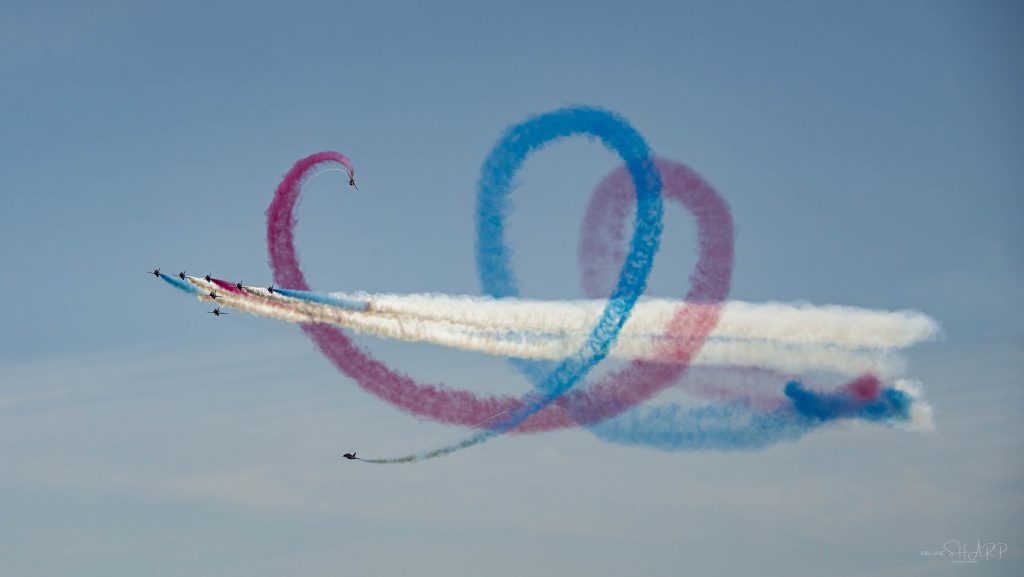
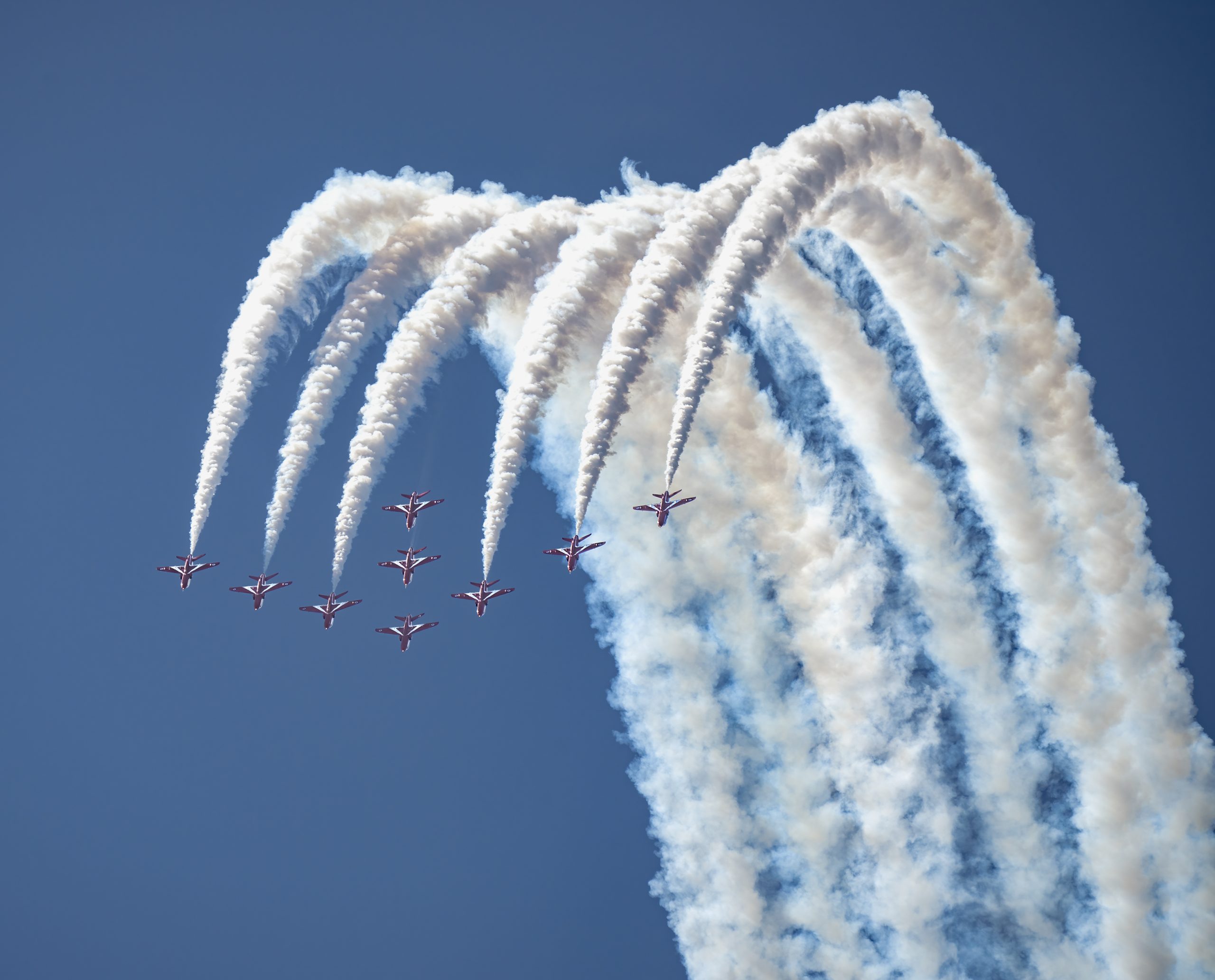
The Red Aroows performing at an Airshow

GENRE SETTINGS

The Best  Settings for different genres: Modes, Speeds, & Apertures 

Understanding the best settings for your camera is fundamental to mastering photography genres. Whether you’re shooting portraits, landscapes, wildlife, or macro, knowing which modes, shutter speeds, apertures, and other settings work best can help you capture stunning photos. Let’s break this down into the key genres and their recommended settings.

These recommendations are for guidance and to be used as a jumping off point to get you in the ball park, many things can effect the settings required, such as weather, lighting, subject etc and you will need to tweak accordingly

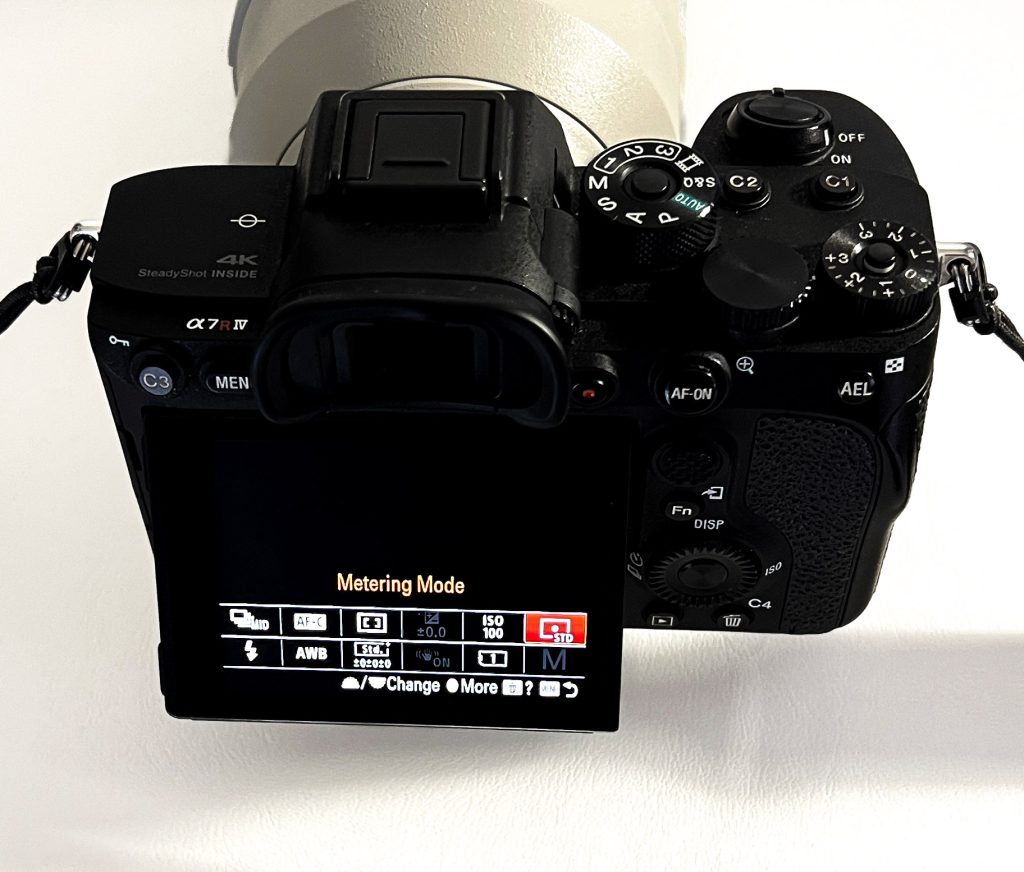
Fn button on rear of camera for settings menu
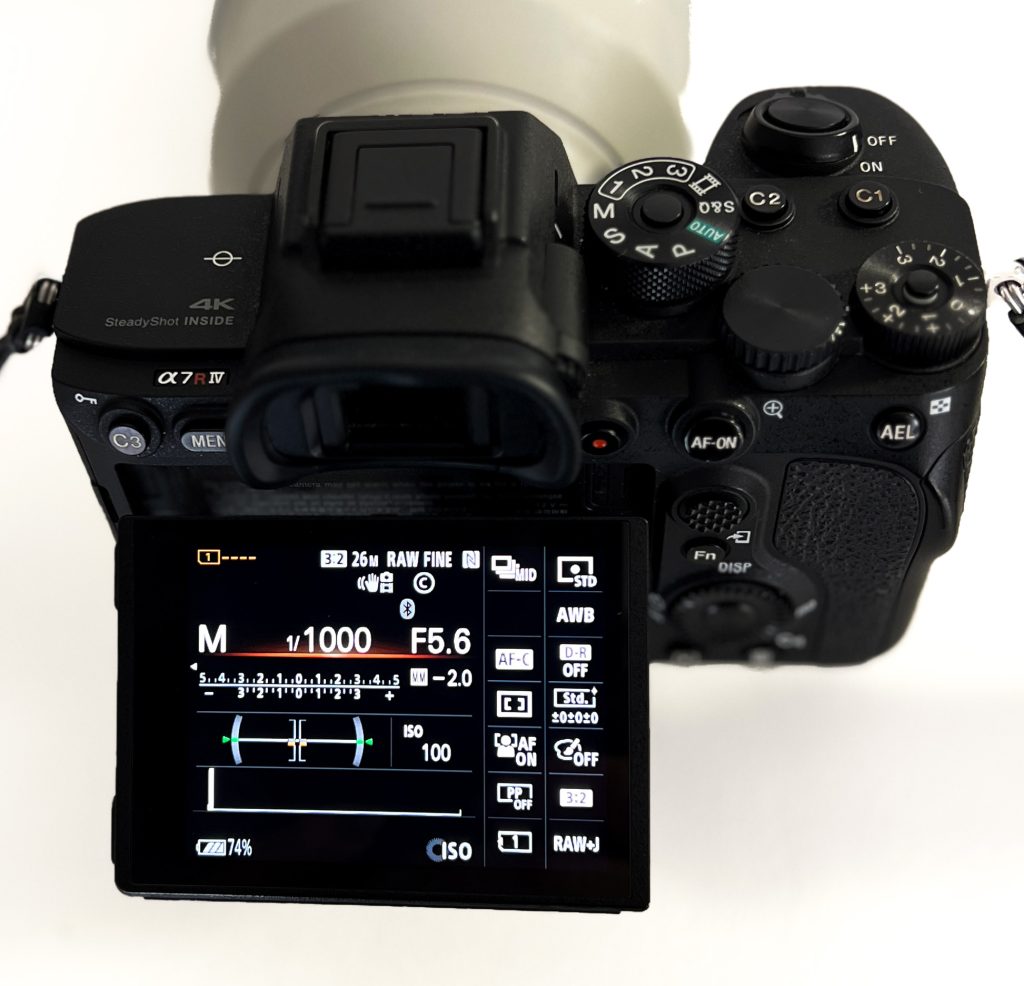
Live mode settings menu on the camera LCD screen

Portrait Photography Settings

Goal: Capturing the subject with a flattering background blur (bokeh) to focus attention on the subject.

  • Recommended Lens: 50mm or 85mm prime lens
  • Why: These lenses offer a natural perspective, flattering for portraits. The wide aperture (e.g., f/1.8, f/1.4) creates beautiful background blur (bokeh) that isolates the subject.
  • Mode: Manual or Aperture Priority (A or Av mode)
  • Aperture: Wide aperture (f/1.8 to f/4)
    • A wider aperture gives a shallow depth of field, which blurs the background and makes the subject stand out.
  • Shutter Speed: 1/100 to 1/250 sec (or faster)
    • Use faster speeds to avoid motion blur, especially if the subject is moving slightly.
  • ISO: 100-400 in daylight, 800+ in low light
    • Keep ISO low to reduce noise, but increase it as needed in dim conditions.
  • Focus Mode: Single-point autofocus (AF-S or One Shot AF)
    • Focus on the eyes to create engaging portraits.

Extra Tips:

  • Use a longer focal length (85mm-135mm) for flattering portraits.
  • Experiment with natural light or external flash for better lighting.
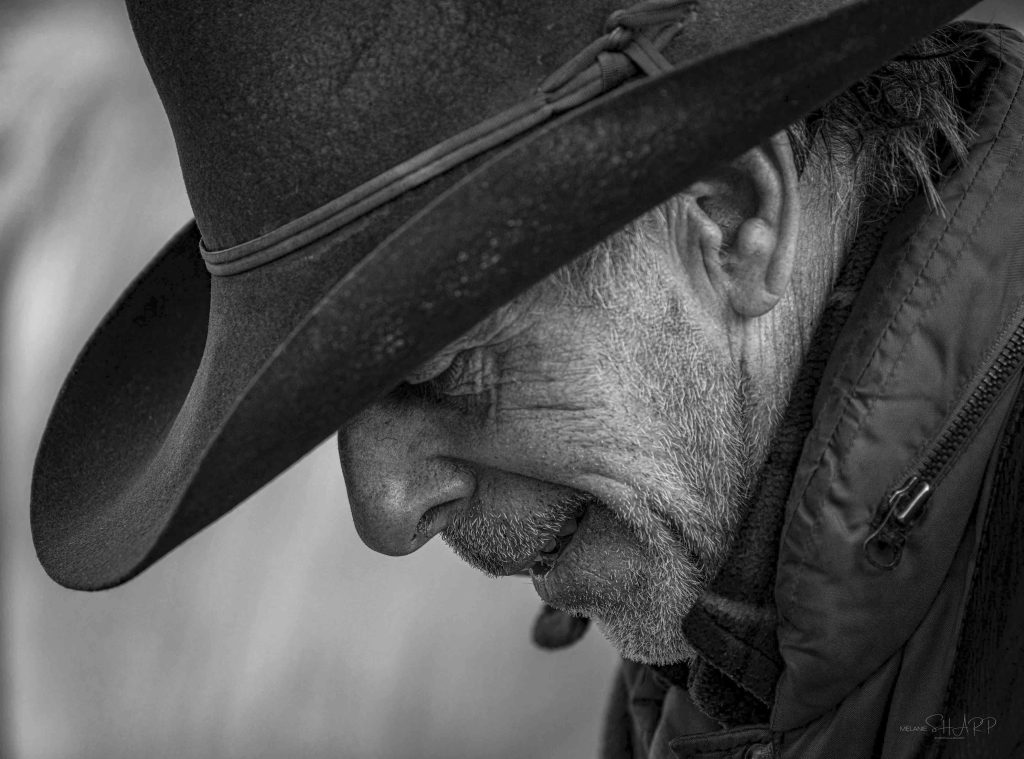
Cowboy Gardian portrait in Black & White
Portrait of a cowboy in Black & White

Landscape & Seascape Photography Settings

Goal: Capturing vast scenes with everything in sharp focus, from foreground to background.

  • Recommended Lens: 16-35mm or 24-70mm wide-angle zoom lens
  • Why: Wide-angle lenses capture more of the scene, which is essential for grand, sweeping landscapes. They allow you to include foreground elements, adding depth and perspective to the image.
  • Mode: Manual or Aperture Priority (A or Av mode)
  • Aperture: Narrow aperture (f/8 to f/16)
    • A smaller aperture gives a large depth of field, keeping the entire scene sharp.
  • Shutter Speed: Varies (long exposures for dramatic effects or faster speeds for crisp detail)
    • In bright conditions, a faster speed of 1/100 sec is fine. For long exposure shots (waterfalls, stars), use slow speeds like 1/2 sec to several minutes.
  • ISO: 100-200 (always keep low for best image quality)
    • Lower ISO reduces noise, important in landscape shots.
  • Focus Mode: Manual focus or wide-area autofocus (AF-A)
    • Use hyperfocal focusing for ultimate sharpness from front to back.

Extra Tips:

  • Use a tripod to stabilize the camera, especially for longer exposures.
  • A polarizing filter can reduce reflections and enhance colour saturation in the sky.
  • When near or in water, try to keep your gear dry and keep cleaning it. If you ahve been near a beach or the sea, give your camera a full and comprehensive clean
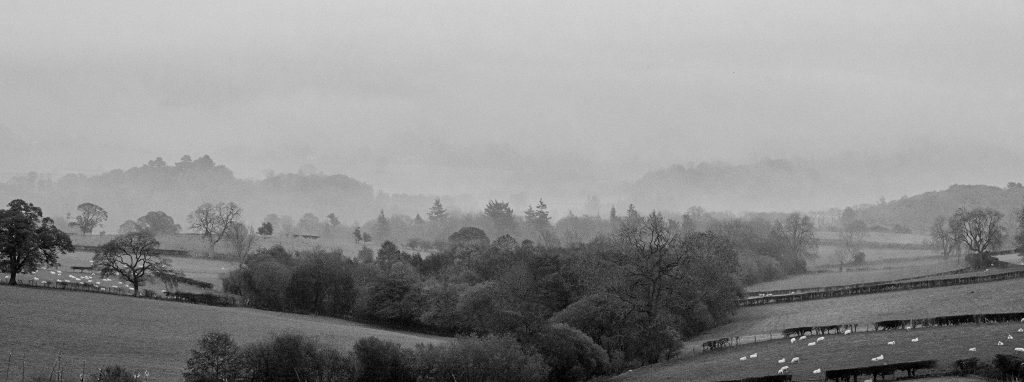
A black and white photograph of rolling hills of Wales in mist
The rolling hills of Wales in early morning mist

Wildlife & Animal Photography Settings

Goal: Capturing animals, often at a distance, with fast, sharp shots.

  • Recommended Lens: 100-400mm or 200-600mm telephoto lens
  • Why: Wildlife is often distant and fast-moving. A telephoto lens lets you zoom in without disturbing the animals, and the long focal length helps fill the frame with your subject.
  • Mode: All modes 
  • Shutter Speed: 1/500 to 1/2000 sec
    • Animals move fast, so a high shutter speed is crucial for freezing action.
  • Aperture: Wide aperture (f/2.8 to f/5.6)
    • A wider aperture isolates the subject from its background, especially useful in the wild.
  • ISO: 400-1600 (depending on lighting conditions)
    • You may need higher ISO settings if you’re shooting in low light or shaded areas.
  • Focus Mode: Continuous autofocus (AF-C or AI Servo AF)
    • Allows the camera to continuously focus on moving subjects.

Extra Tips:

  • Use a long lens (300mm+) for close-up shots of distant animals.
  • Patience and silence are key in wildlife photography.
  • Learn the habits and environments of your chosen subject. Spend time within their habitat, observing – if appropriate
  • Live fauna and flora – Never disturb, harm or move the subject to ‘just get the shot’. Always respect living creatures and their environment
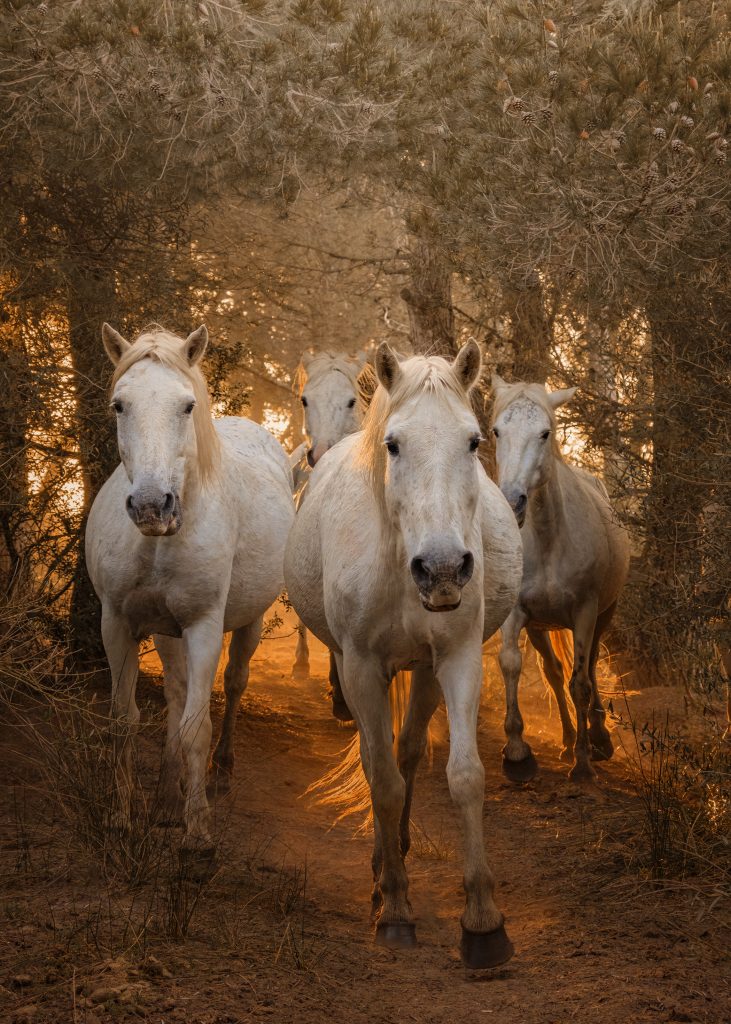
A small herd of white Camargue horses

Bird Photography Settings

Goal: Capturing birds in motion or at rest with sharp focus and detail, often from a distance.

  • Recommended Lens: 400mm to 600mm telephoto lens
  • Why: Birds are often small and distant, so a long telephoto lens is essential to bring them closer and fill the frame. The longer focal length also helps maintain a safe distance so you don’t disturb the birds. Lenses with image stabilization are particularly useful since shooting handheld at long distances can cause camera shake.
  • Mode: Shutter Priority (S or Tv mode)
  • Shutter Speed: 1/1000 to 1/4000 sec
    • Birds move quickly, especially in flight, so a fast shutter speed is essential to freeze their motion.
  • Aperture: Wide aperture (f/4 to f/8)
    • A moderately wide aperture helps create a sharp focus on the bird while softly blurring the background.
  • ISO: 400-1600 (higher in low light)
    • Adjust ISO based on lighting; higher ISO in low light conditions can help maintain a fast shutter speed, though too high can introduce noise.
  • Focus Mode: Continuous autofocus (AF-C or AI Servo AF)
    • Use continuous focus to track fast-moving birds in flight.
  • Drive Mode: Burst mode (High-speed continuous shooting)
    • Birds often move unpredictably, so shooting in bursts increases the chance of capturing a great shot.

Extra Tips:

  • Use a telephoto lens (300mm or longer) to zoom in on distant birds without disturbing them.
  • Pre-focus on an area where birds are likely to fly through to improve your reaction time.
  • Patience and observation are key—study bird behavior to anticipate movement.
  • Consider using a monopod or tripod with a gimbal head for stabilization, especially with heavy telephoto lenses.
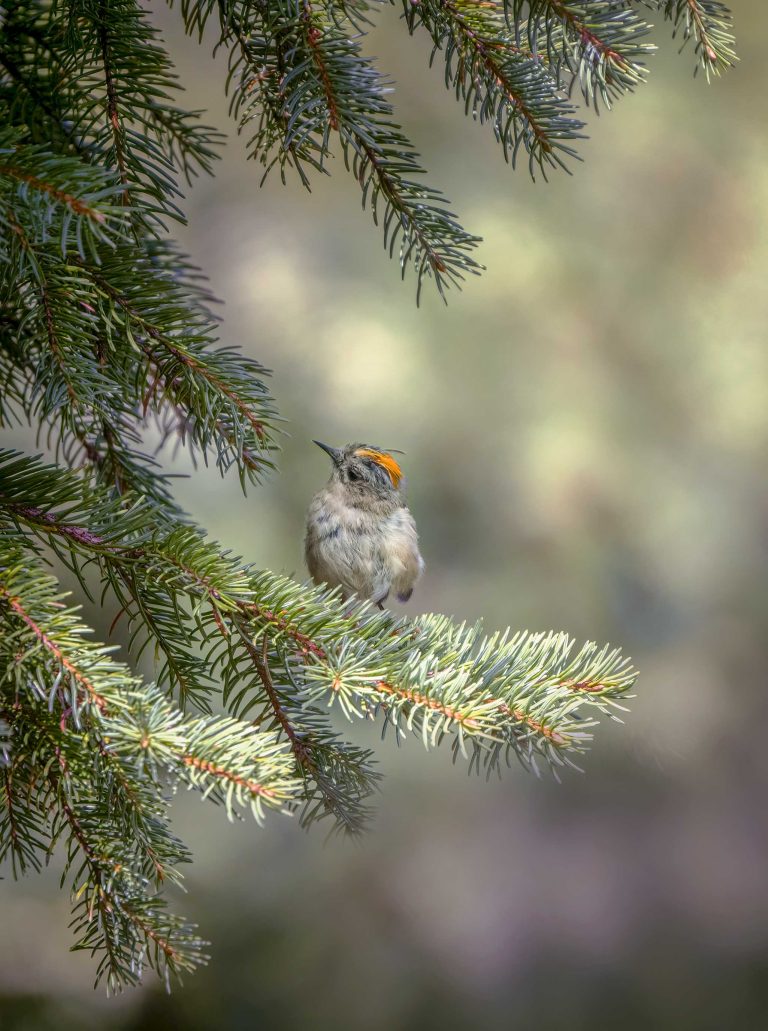
A goldcrest in a tree
A distracted Goldcrest

Sports & Action Photography Settings

Goal: Freezing fast-moving action, whether on the field or the court.

  • Recommended Lens: 70-200mm telephoto lens
  • Why: This zoom lens gives you flexibility to capture both close and distant action. It’s fast and sharp, allowing you to freeze motion while keeping the subject in focus.
  • Mode: Manual or Shutter Priority (S or Tv mode)
  • Shutter Speed: 1/500 to 1/2000 sec (depending on the sport and speed of action)
    • You need fast shutter speeds to freeze the action and avoid blur.
  • Aperture: Wide aperture (f/2.8 to f/5.6)
    • This helps keep your subject in focus while blurring distracting backgrounds.
  • ISO: 400-1600 (adjust for lighting, especially under stadium lights)
  • Focus Mode: Continuous autofocus (AF-C or AI Servo AF)
    • Keep tracking moving players or athletes.

Extra Tips:

  • Use burst mode to capture multiple frames per second.
  • Anticipate the action to capture the peak moment.
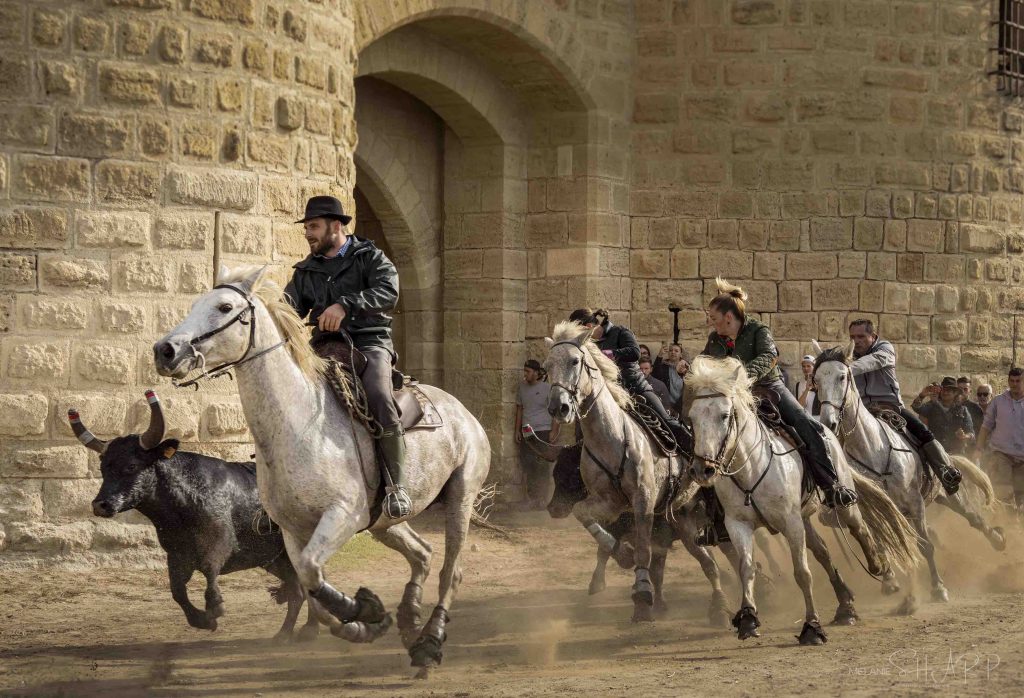
Fete Votive Bulls and horses Aigues Mortes, France
Bulls and horses chase - Aigues Mortes, France

Macro & Close Up Photography Settings

Goal: Capturing extreme close-ups with sharp detail, especially in small subjects like insects, flowers, or textures.

  • Recommended Lens: 100mm macro lens
  • Why: A dedicated macro lens allows you to focus on small subjects like insects or flowers with great detail. It also provides a longer working distance, which helps avoid scaring away tiny creatures.
  • Mode: Manual or Aperture Priority (A or Av mode)
  • Aperture: Mid-range (f/8 to f/16)
    • Macro shots have a shallow depth of field, so a smaller aperture helps get more of the subject in focus.
  • Shutter Speed: 1/100 sec or faster (use a tripod for stability)
  • ISO: 100-400
  • Focus Mode: Manual focus
    • Autofocus can struggle with extremely close distances, so manual focus is often better.

Extra Tips:

  • Use a tripod and possibly a ring light for even lighting.
  • Get close to the subject but be mindful of the minimum focusing distance of your lens.
  • Live fauna and flora – Do not disturb, harm or move the subject to ‘just get the shot’. Always respect living creatures and their environment
A bee in up close. Macro photography
A bee up close collecting nectar on a Fuchsia

Night Photography Settings

Goal: Capturing scenes in low light or complete darkness, often including cityscapes, stars, or light trails.

  • Recommended Lens: 24mm or 35mm prime lens with a fast aperture (e.g., f/1.4 or f/1.8)
  • Why: Night photography requires a lens that lets in as much light as possible. A wide aperture (small f-number) allows you to shoot in low-light conditions without using a flash. A prime lens is sharp and ideal for capturing street lights, night skies, and cityscapes.
  • Mode: Manual mode (M) or Shutter Priority (S or Tv mode for long exposures)
  • Shutter Speed: 1/10 sec to several seconds (depending on light available)
    • For light trails or star photography, use longer exposures (10-30 seconds or more).
  • Aperture: Mid to wide aperture (f/2.8 to f/5.6)
    • A wide aperture lets in more light, crucial in dark environments.
  • ISO: 400-1600 (increase if necessary, but higher ISO can introduce noise)
  • Focus Mode: Manual focus
    • Autofocus may struggle in low light. Set focus manually, often using live view zoom.

Extra Tips:

  • Always use a tripod to avoid camera shake.
  • Experiment with different light sources (car lights, street lamps, etc.) for creative effects.
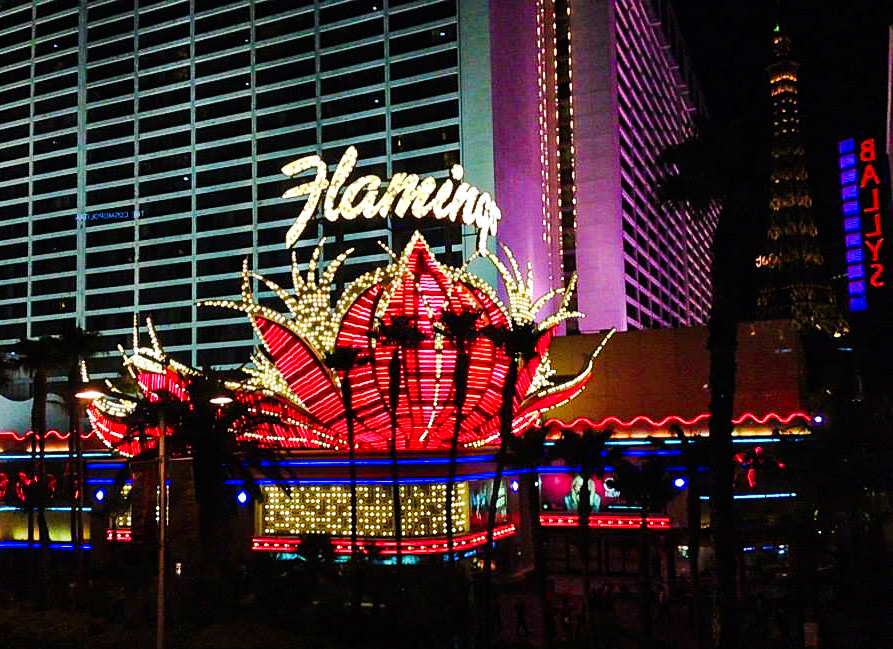
Las Vegas Flamingo Hotel at night

Street Photography Settings

Goal: Capturing candid moments in urban settings, often involving people and architecture.

  • Recommended Lens: 35mm or 50mm prime lens
  • Why: These lenses are small, fast, and discreet, perfect for capturing candid moments. They also mimic the natural human field of view, making images look less distorted.
  • Mode: Manual or Aperture Priority (A or Av mode)
  • Aperture: Mid-range (f/5.6 to f/8)
    • This gives a good balance between subject focus and background clarity.
  • Shutter Speed: 1/125 sec or faster
    • You need a reasonably fast shutter to freeze motion in busy streets.
  • ISO: 100-800 (depending on light conditions)
  • Focus Mode: Continuous autofocus (AF-C or AI Servo AF)
    • Quickly locks onto moving subjects.

Extra Tips:

  • Keep your camera settings flexible and ready for quick shots. Choose your lens appropriately
  • Blending into the scene helps in capturing more authentic moments.
  • Always remain respectful of other peoples privacy and ask permisiion when appropriate.
  • Never photograph children or sensative sites without specific permission
  • Be aware when photographing abroad that privacy expectations, the law and restrictions may be different to your own country and what you are used to – don’t get arrested for taking a piture of a ‘pretty plane’!
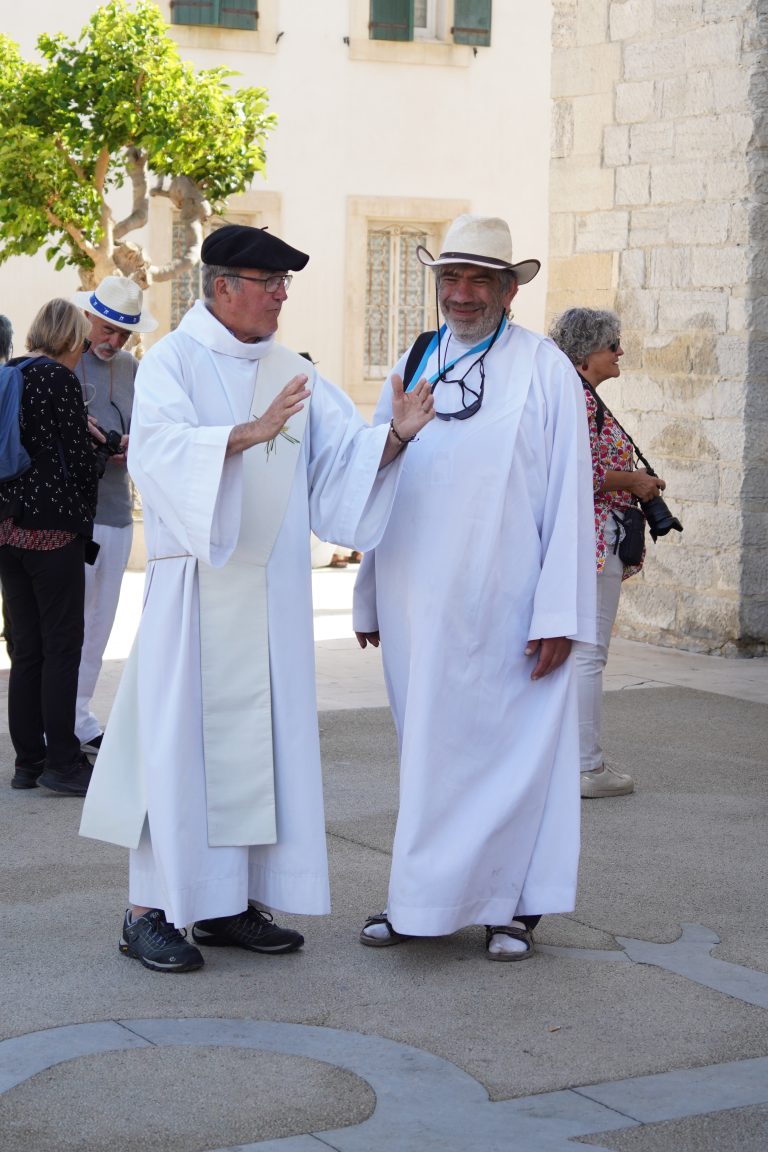
Street phtotgraphy. 2 priests in conversation
It was this big!

Astrophotography Settings

Goal: Capturing celestial objects like stars, planets, and the Milky Way.

  • Recommended Lens: 14mm or 24mm wide-angle lens with a fast aperture (e.g., f/2.8 or wider)
  • Why: A wide-angle lens with a large aperture lets in more light, crucial for capturing faint stars and galaxies in the night sky.
  • Mode: Manual mode (M)
  • Shutter Speed: 10 to 30 seconds
    • The Earth’s rotation can affect your shots; longer exposures may cause star trails.
  • Aperture: Wide aperture (f/2.8 to f/4)
    • You need to allow in as much light as possible.
  • ISO: 800-3200
    • Higher ISO helps to capture faint starlight, though too much can introduce noise.
  • Focus Mode: Manual focus
    • Focus to infinity for sharp stars.

Extra Tips:

  • Use a remote shutter release or self-timer to avoid camera shake.
  • Attach your camera to a telescope for galaxies and distant planets
  • Check the weather and light pollution for ideal conditions.
  • Stay warm!
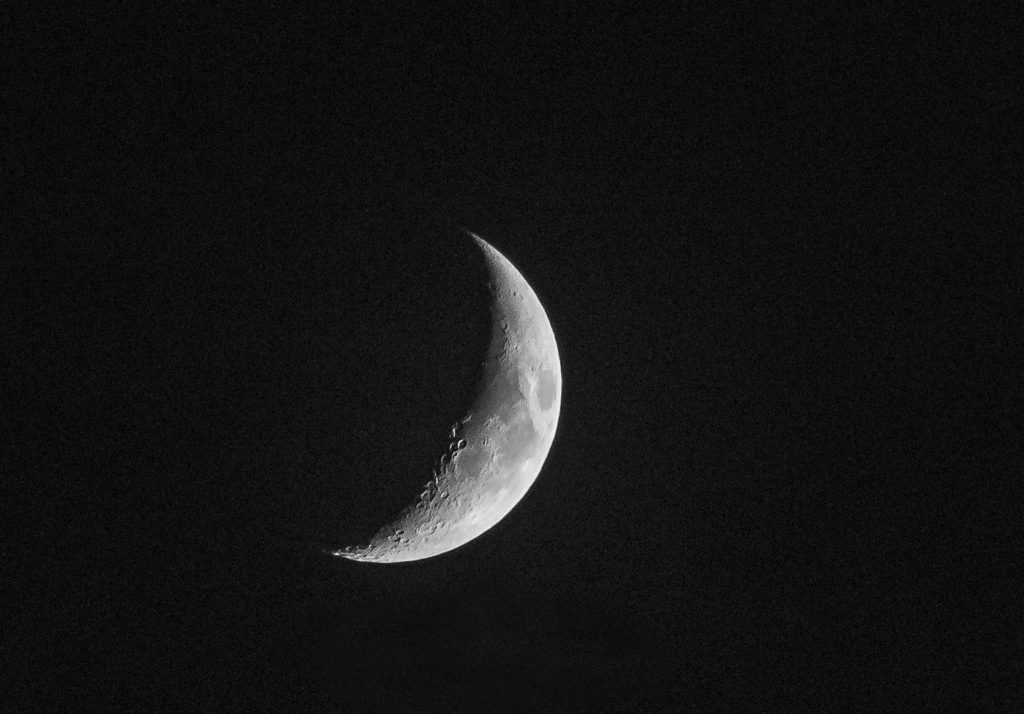
The moon in cresent
The crescent moon in a black night sky

Final Thoughts

Photography genres require different techniques, but the fundamental camera settings—mode, aperture, shutter speed, and ISO—remain the core tools to manipulate. As you gain experience, you’ll get more comfortable adjusting these settings to suit the scene. Experiment, review your images, and adjust settings to improve over time.

Remember: Your camera is a tool, but your creativity and knowledge of settings are what truly make a great photograph.

The Red Arrows in formation with smoke trails
A red Dahlia with a bee up close
A white horse rearing

Melanie Sharp is a photographer and zootographer, click on the link to fnd out more [link to about us]. These lessons are offered to our members for free. If you would like a copy of this lesson for reference, please email me and i will send you a digital copy for print or storage. Please do not share this content with social media or other people, reproduce it or distribute it. Contact me on [email] for more information and your download link.

Please join me on InstagramMy Portfolio or pop over to our events page for more information on meet-ups, paid membership & in person tuition. I run ‘fun days out with your camera’ at various locations across the country. Check [page] for whats coming up next.